
How a Defence School in India Builds Leadership Skills in Young Students
Education is not only about completing a syllabus or scoring good marks. A child’s school years are also a time to develop confidence, responsibility, discipline and the ability to work with others. These qualities can play an important role in shaping a student’s future.
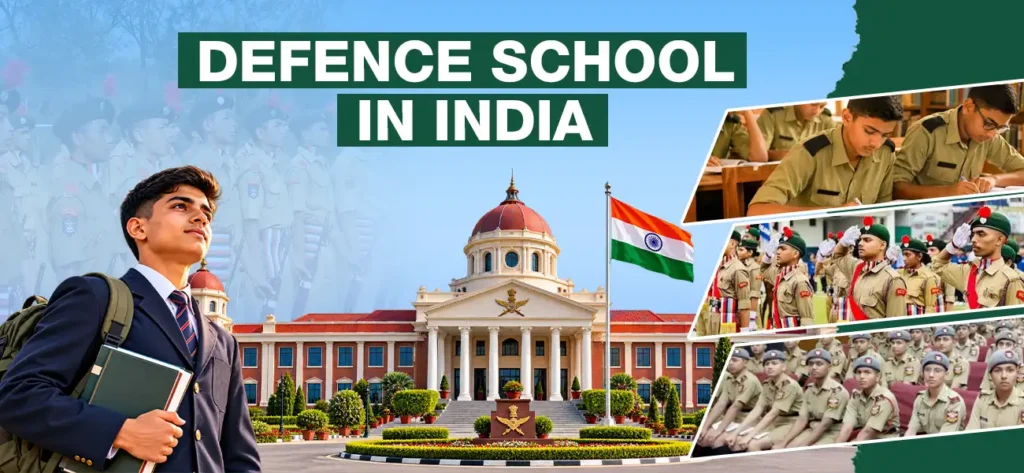
A defence school in India can provide a distinctive learning environment where academic education is combined with discipline, physical activities, teamwork and practical responsibilities. This approach gives students opportunities to develop leadership qualities from an early age.
What Does Leadership Mean for a Student?
Leadership does not necessarily mean becoming the head of a group or giving instructions to others. For a young student, leadership can simply mean taking responsibility for an assignment, helping a teammate, making a sensible decision or having the confidence to express an opinion.
Some important leadership qualities include:
- Confidence
- Responsibility
- Decision-making
- Communication
- Teamwork
- Self-discipline
- Problem-solving
- Resilience
These qualities can benefit students in academics, higher education and almost any career they choose later in life.
How a Defence School in India Develops Leadership
A defence school in India can introduce students to structured routines and activities that encourage them to take responsibility for their own progress.
Instead of learning leadership only through theoretical lessons, students experience it through their daily routine, classroom activities, sports and teamwork.
1. Discipline Builds a Sense of Responsibility
Discipline is one of the foundations of a defence-oriented educational environment.
Students learn to follow schedules, manage their time, complete assigned tasks and respect rules. Over time, these habits can teach children that responsibility comes with every activity they undertake.
A student who learns to manage a daily routine independently can gradually become more organised and dependable.
2. Team Activities Teach Cooperation
Leadership cannot exist without teamwork.
Group projects, sports, competitions and other collaborative activities teach students how to work with people who may have different ideas, abilities and personalities.
Students learn to listen to others, share responsibilities and work towards a common objective. They also understand that a good leader is not simply someone who gives directions but someone who supports the entire team.
3. Sports Teach Students to Handle Success and Failure
The playground can be an important part of leadership development.
Sports expose students to competition, pressure, teamwork and unexpected results. Winning can build confidence, while losing can teach students how to accept disappointment and improve.
These experiences help children understand that failure is not the end of the journey. It can be an opportunity to identify weaknesses and try again.
4. Students Get Opportunities to Make Decisions
Children become more independent when they are given appropriate opportunities to make decisions.
School activities can present students with situations where they have to choose how to approach a task, divide responsibilities within a group or respond to a challenge.
Even when a student makes a wrong decision, the experience can be valuable. Understanding the consequences of a decision helps children become more thoughtful and responsible over time.
5. Communication Builds Confidence
A leader needs to communicate ideas clearly, but communication is more than simply speaking.
Students need to learn how to listen, understand different opinions and express themselves respectfully.
Presentations, group discussions, competitions and team activities can encourage students to speak with greater confidence. These experiences can be particularly useful later during interviews, higher education and professional life.
Learning Leadership Through Everyday Life
Leadership development does not always require a special programme.
Simple responsibilities can make a difference. Keeping personal belongings organised, completing assigned duties, helping classmates and participating actively in school activities can teach children accountability.
When these responsibilities become part of everyday life, students begin to understand that leadership is connected to actions rather than titles.
Why Resilience Matters
One of the most valuable qualities a student can develop is the ability to recover from setbacks.
Academic challenges, competitive exams, sports and group activities can all present situations where things do not go according to plan.
A structured school environment can help students develop the mindset to analyse mistakes instead of being discouraged by them.
The question changes from “Why did I fail?” to “What can I learn from this?”
That change in thinking can help students approach future challenges with greater confidence.
Leadership Is Not Only for a Defence Career
The leadership qualities developed through a defence-oriented education are useful beyond the armed forces.
Students may eventually choose careers in medicine, engineering, business, technology, education, law, sports or many other fields. Regardless of the profession, qualities such as discipline, communication, teamwork and decision-making can remain valuable.
Therefore, the purpose of leadership development should be to prepare students for life, not just for a particular profession.
How Parents Can Encourage Leadership at Home
Parents can support the same development outside school.
Instead of making every decision for their child, parents can give them age-appropriate responsibilities and allow them to learn from their experiences.
Parents can encourage children to:
- Make simple decisions independently
- Participate in sports and activities
- Take responsibility for mistakes
- Help others
- Set achievable goals
- Express their opinions respectfully
- Learn from failure
Giving children responsibility in small situations can gradually prepare them for bigger responsibilities later.
Choosing the Right Defence School
Parents looking for a defence school in India should look beyond academic results. A child’s overall environment can have a significant influence on their development.
When evaluating a school, parents can consider its academic programme, faculty, physical activities, discipline, student support, extracurricular opportunities and approach to personality development.
At Indian Defence School, the focus is on creating an environment where students can grow academically while developing discipline, confidence, physical fitness and leadership qualities.
Conclusion
Leadership is not developed overnight. It grows through everyday experiences—taking responsibility, working with others, making decisions, accepting mistakes and trying again.
A defence school in India can provide students with a structured environment where these experiences become part of their education. Through academics, sports, discipline and teamwork, students can gradually develop qualities that prepare them for challenges beyond the classroom.
The ultimate goal is not simply to create students who achieve good marks. It is to help young people become confident, responsible, disciplined and capable individuals who can take responsibility for their future.